Product strategy and UI design that bring clarity to complexity.
We define what to build, why it matters, and how users interact with it.
Some of our clients








Products with a system behind every screen.
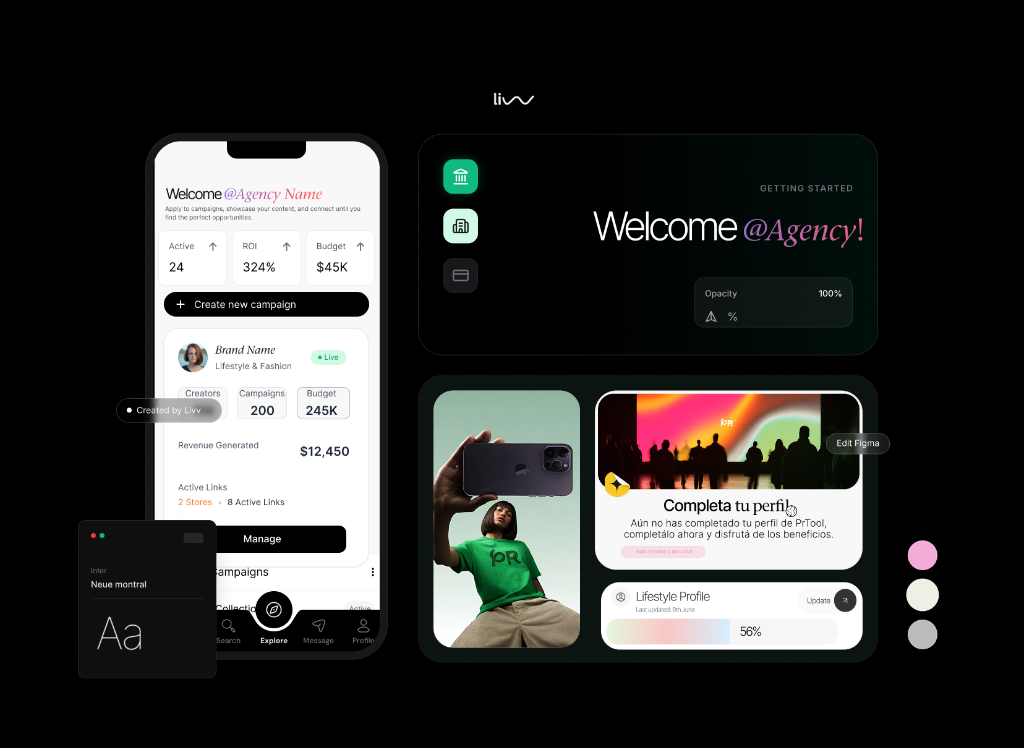 Content tech · Web app, iOS & Android2025
PR Tool
Brands and creators, working together in one place.
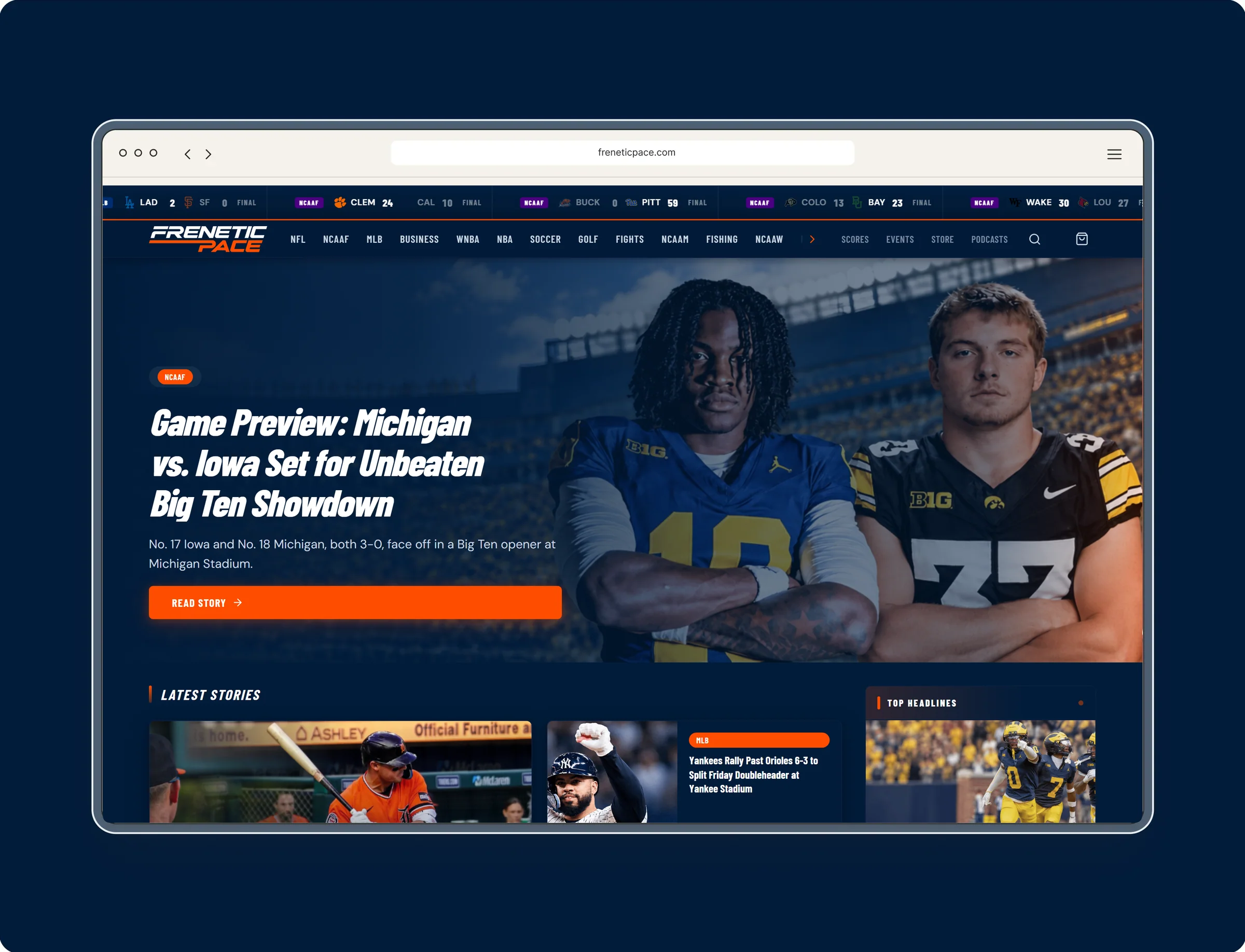 Sports media · Web, app & admin2026
Frenetic Pace
Articles, scores, tickets and a store, on a single platform.
A product system your users understand and your engineers can build.
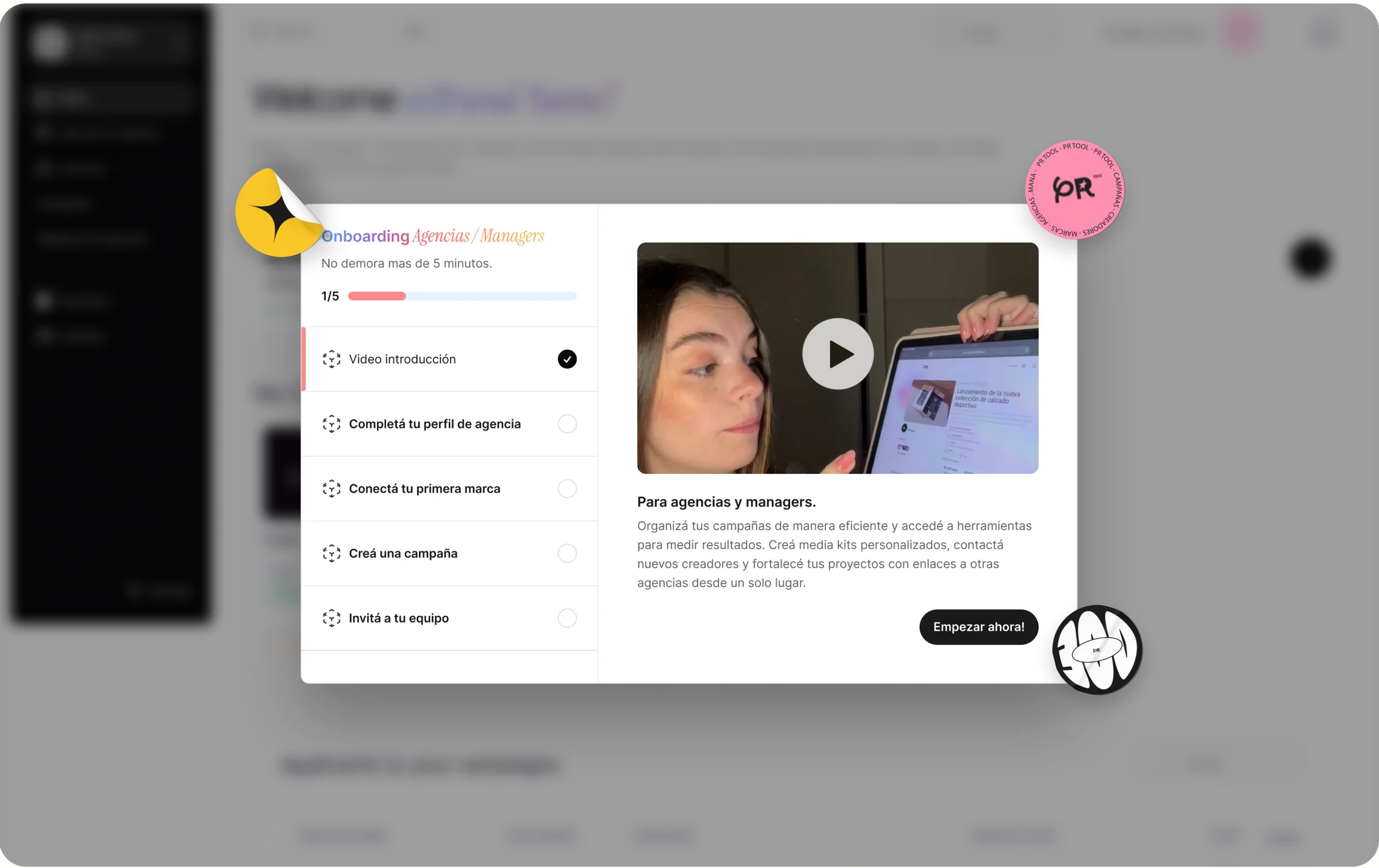
PR Tool · onboarding flowView case
We turn the request list into decisions: what ships first and what deliberately waits.
- Product definition
- Prioritised scope
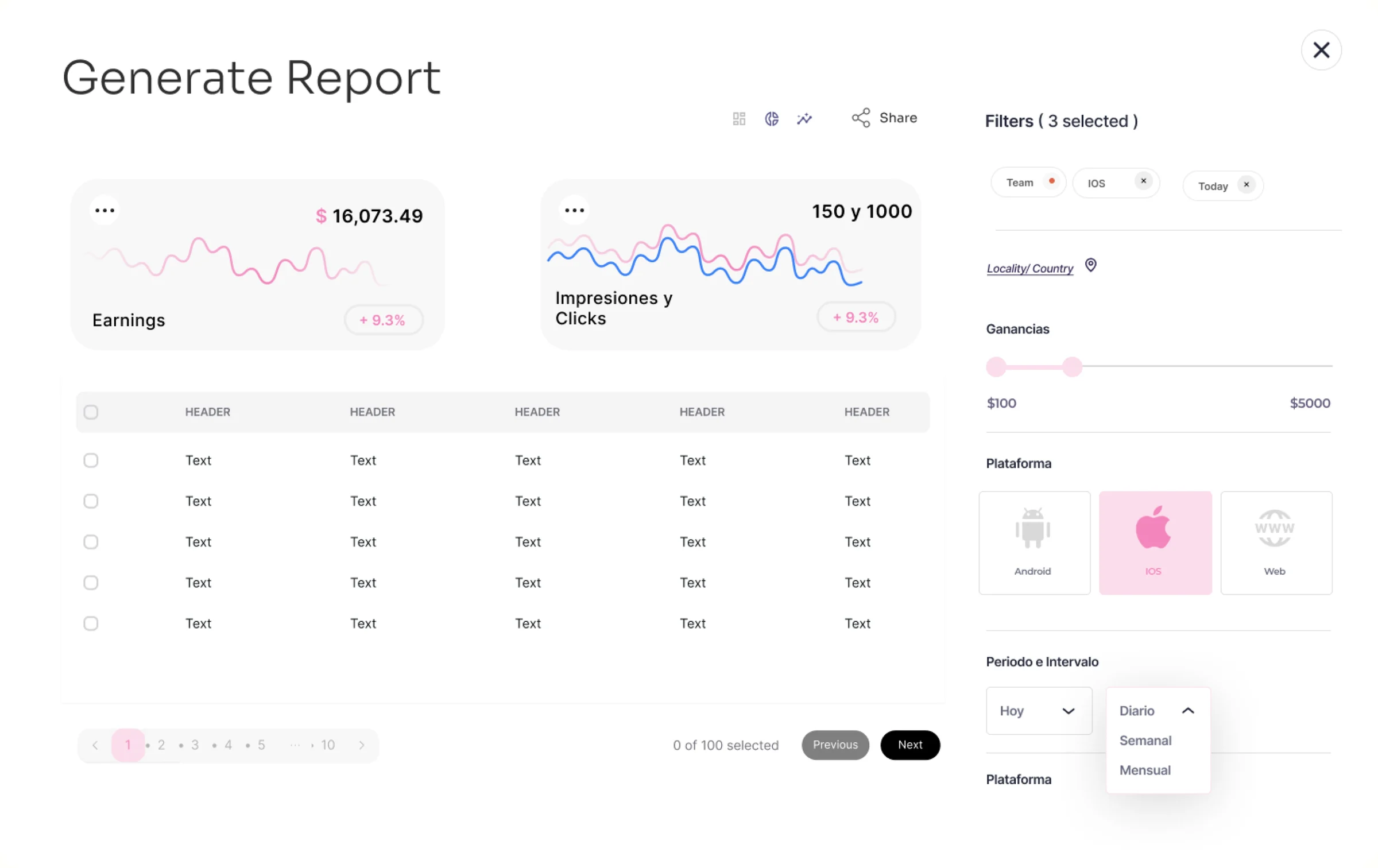
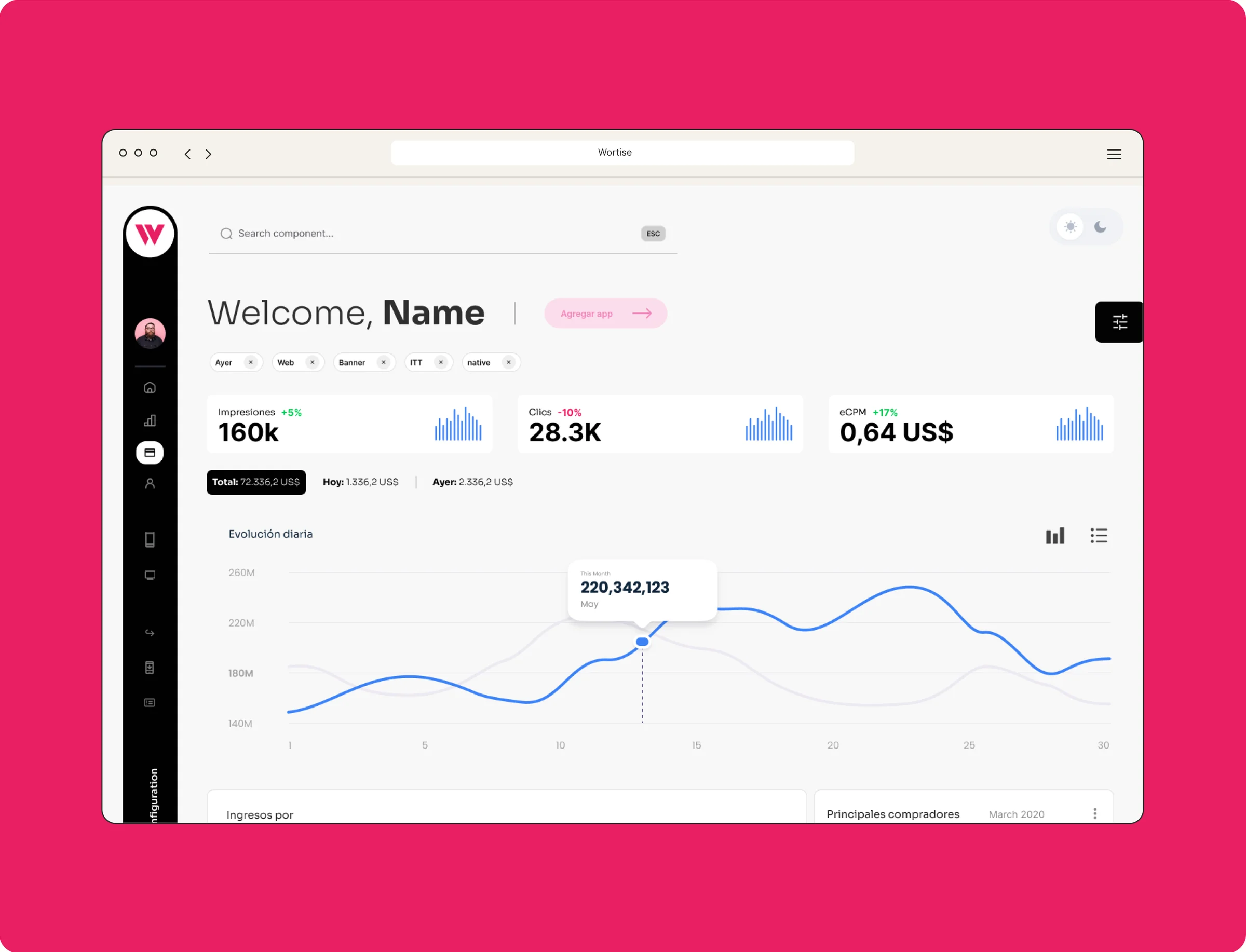
Wortise · generating a reportView case
End-to-end flows, including the empty, error and edge states that usually surface mid-build.
- Information architecture
- End-to-end flows
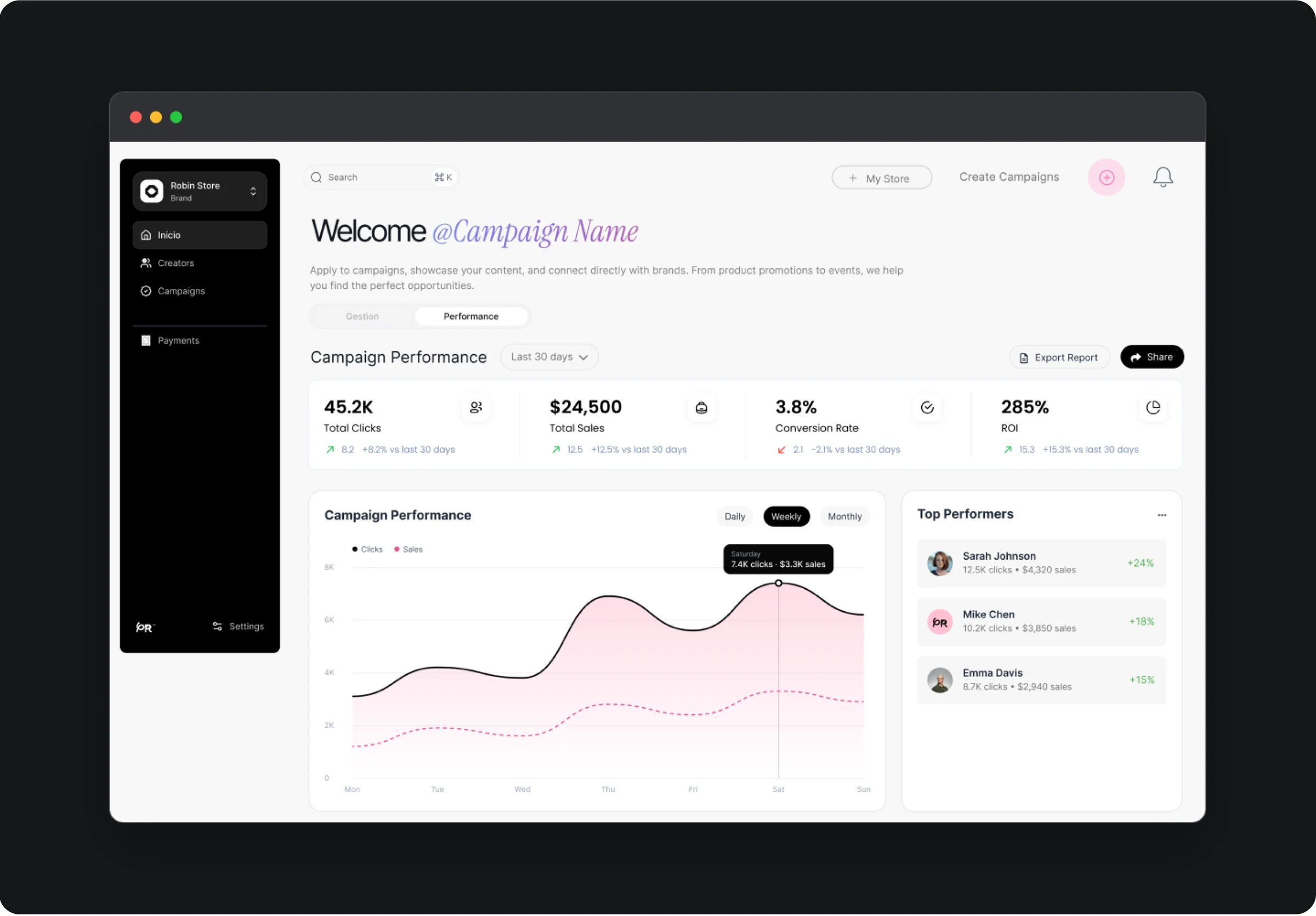
PR Tool · campaign performance, from the same systemView case
Components, tokens and states engineering can build from, validated in a prototype.
- UI design system
- Validation prototype
PR Tool · onboarding flowView case
Define, structure, design. In that order.
- 01
Define
Agree what the product is for and which outcome comes first.
- 02
Structure
Design the architecture and the complete flows behind it.
- 03
Design
Build the UI system and validate it in a working prototype.
- Clickable prototype before engineering
- Design system with tokens and states
- Handoff engineers can build from
“Was great working together, we will work together again in the future.”

Ronen Wasserman
Founder & President
Product Strategy & UI, answered.
It covers deciding what to build and why before deciding how it looks: product definition and priorities, information architecture, end-to-end user flows including empty and error states, a component-level UI system, and a clickable prototype to validate the whole thing before engineering starts.
When requirements arrive from every direction and each one becomes another screen, when flows contradict each other, or when engineering estimates keep moving because the product was never actually decided. Those are symptoms of a definition problem, not a design problem.
Product strategy decides what gets built and in what order. UI design determines how people interact with it. LIVV Creative Studio treats them as one engagement, because a UI system built on undecided product logic has to be rebuilt as soon as the logic settles.
Yes. The deliverable is a component-level design system with tokens, states and rules, plus complete flows and a validation prototype — specified so an engineering team can implement it without reverse-engineering intent from a static mockup.
Your product does not need more screens.
It needs clearer decisions.
Turn scattered requirements into a product your users understand and your engineering team can build.